

 See My Latest Article on HelloNation
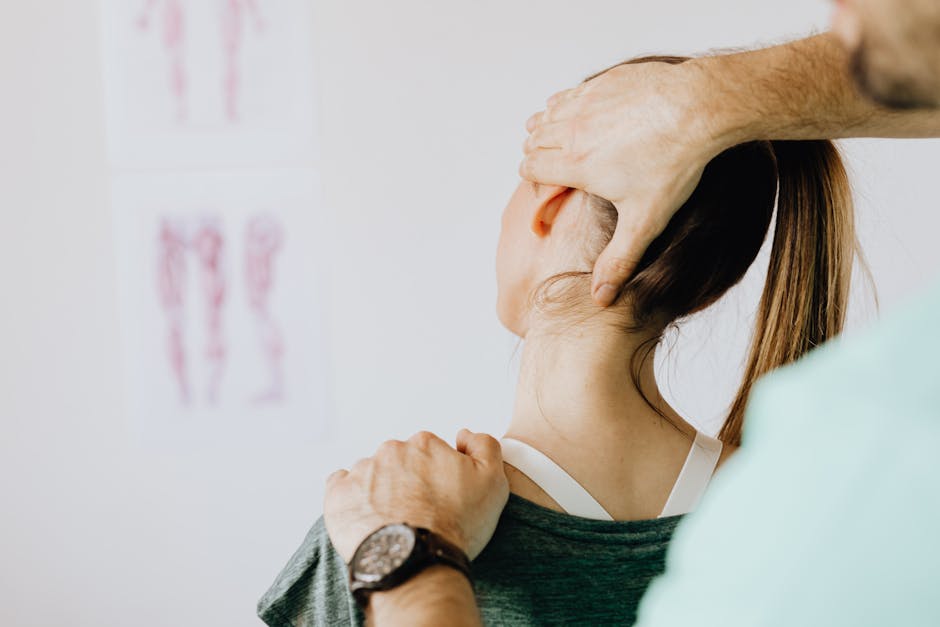
Back pain is a common complaint that brings many people to healthcare professionals, especially in active communities like Mesa, AZ. Whether you enjoy hiking Usery Mountain, spending long days gardening in the Arizona sun, or simply navigating daily life, chances are you’ve experienced some form of back discomfort. But how do you know when your back pain is just a sign of overexertion and when it’s a warning of a more serious issue?
As a chiropractor in Mesa, understanding these distinctions is important, not just for your peace of mind, but for your ongoing wellness. Here, we’ll break down the key warning signs that suggest your back pain may be more than a temporary nuisance and requires professional attention.
Common Causes of Back Pain in Mesa’s Active Community
Lifestyle in Mesa is often outdoorsy and active, with residents enjoying golf, cycling, running, and other sports. This active lifestyle, combined with hot, dry weather and sometimes heavy yardwork, can contribute to strained muscles and minor injuries.
- Typical back pain sources include:
- Muscle sprains from lifting objects (like gardening tools or groceries)
- Poor posture when working remotely or at home
- Sports injuries from climbing or cycling in desert terrain
- Dehydration affecting muscle health during Mesa’s intense heat
Most of this discomfort resolves with rest, hydration, stretching, and maybe a day off. But sometimes, back pain is a sign of something that needs more than DIY care.
Red Flags: When Back Pain Is a Cause for Concern
Certain symptoms can indicate underlying problems that may be serious. Watch for these red flags:
- Severe, Sudden Pain That Doesn’t Improve
If your pain is intense, came on suddenly (especially after a fall or accident), or won’t go away after several days, it’s time to consult a professional. This is especially urgent if the pain radiates down your legs or is accompanied by numbness.
- Pain Accompanied by Numbness or Weakness
Do you feel tingling, weakness, or numbness in your legs, feet, or groin area? This could indicate nerve compression, such as a herniated disc or even cauda equina syndrome, a rare but urgent condition.
- Loss of Bladder or Bowel Control
If you suddenly can’t control your bladder or bowels, seek emergency care immediately. This is a key sign of cauda equina syndrome, which requires urgent medical intervention to prevent permanent nerve damage.
- Fever or Unexplained Weight Loss
Persistent back pain accompanied by fever, chills, or unexplained weight loss can signal infection or even certain cancers. Mesa’s hot climate means many ignore symptoms like sweating, so pay attention to fevers that are unrelated to the weather.
- Pain That Wakes You at Night
While back pain can make it tough to get comfortable, pain that rouses you from deep sleep is more concerning. If you’re regularly being awakened by back pain—especially if it’s new for you—consult a healthcare provider.
Risk Factors in the Mesa, AZ, Population
Mesa’s population includes retirees, active adults, and young families, each with their own risks:
- Older Adults:
Risk of osteoporosis is higher in our sun-soaked state, particularly if you avoid the outdoors during peak heat and don’t get enough vitamin D. This means more risk of compression fractures in the spine, sometimes causing sudden severe pain after simple movements.
- Hard Workers and Weekend Warriors:
People with physically demanding jobs (landscapers, construction workers) or those who play hard on weekends (hikers, cyclists) are prone to overuse injuries and acute trauma.
- Dehydration:
The dry Arizona climate increases dehydration risk, which impacts muscle and spinal disc health. Chronic dehydration can lead to more serious disk issues and muscle spasms.
What Should You Do If You Notice Warning Signs?
Don’t wait it out if you notice any of the above symptoms. Delaying care can lead to complications that are harder to treat. Instead:
- Call a healthcare professional if the pain is severe or lingering.
- Seek emergency care for symptoms of nerve involvement, sudden weakness, or loss of bladder/bowel control.
- Keep a journal of your symptoms: when they started, what makes them better or worse, and any related symptoms (like fever or night sweats).
When Can You Manage Back Pain at Home?
While you should never ignore red-flag symptoms, many episodes of back pain are mild. Try these conservative approaches if your symptoms are minor:
- Rest and gentle movement—avoid total bed rest.
- Apply ice or heat as needed.
- Stay hydrated, especially in Mesa’s climate.
- Use over-the-counter pain relief (ibuprofen, acetaminophen) as directed.
- Practice good posture and gentle stretching.
If things aren’t improving after a week or your symptoms worsen, it’s time for a check-up.
The Role of Chiropractic Care
Chiropractors see many patients with back pain and can help differentiate between typical strains and more complex problems. We’re trained to identify red flags and will refer you for medical testing when needed.
In Mesa, AZ, chiropractic care often involves a combination of hands-on adjustments, soft tissue work, guided stretches, and lifestyle counseling, which is tailored to active desert living.
Prevention Tips for Mesa Residents
Life in Mesa can be vibrant and pain-free with smart choices:
- Stay active but don’t overdo it—build up gradually to avoid injury.
- Hydrate constantly, especially during hot months.
- Pay attention to your lifting technique, both at work and at play.
- Take breaks if you work at a desk or screen.
- Wear supportive shoes and proper gear for outdoor activities.
Final Thoughts
Most back pain in Mesa, AZ, is not an emergency, but awareness of the warning signs can help catch serious conditions early. Understanding when to seek help ensures you can return to your favorite activities with minimal downtime.
If you or someone you know is dealing with back pain that fits the concerning symptoms listed above, don’t wait—reach out to a qualified healthcare provider. Early intervention is the key to long-term spinal health, especially for our active Arizona community.