

 See My Latest Article on HelloNation
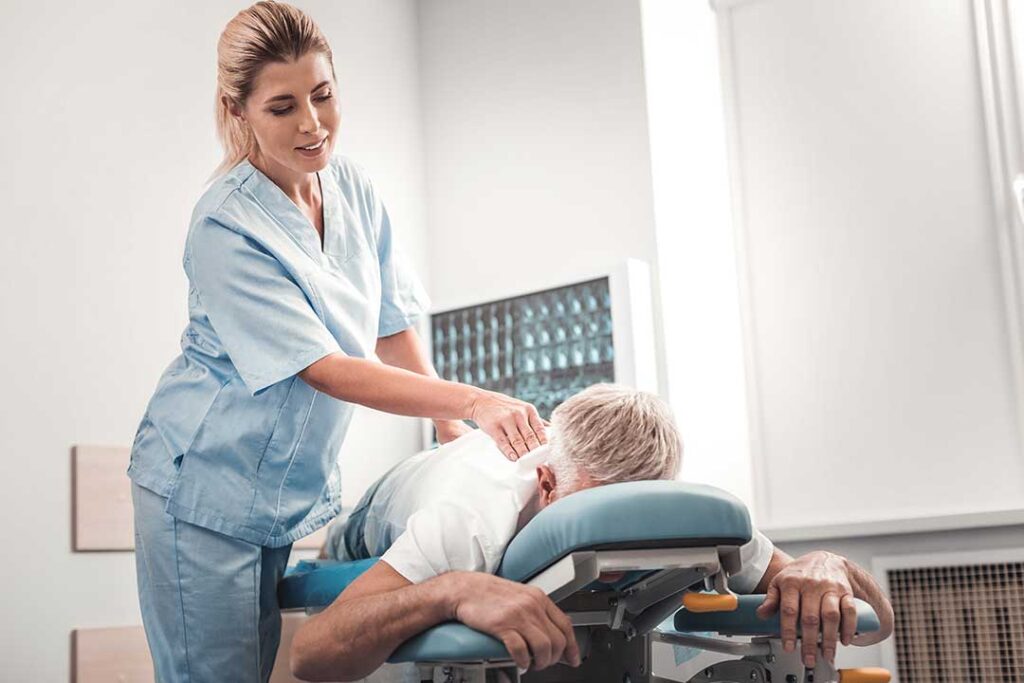
Poor posture is more than a matter of appearance. Over time, positions that place the head, shoulders, spine, or pelvis under repeated strain can contribute to discomfort, reduced mobility, headaches, fatigue, and difficulty performing everyday activities. For residents of Mesa, AZ, posture may be affected by desk work, driving, phone use, household routines, exercise habits, and long periods indoors during very hot weather.
Posture does not need to be perfect every minute. The body generally tolerates many positions when they are varied regularly. Problems are more likely when an awkward or unsupported position becomes the default for hours at a time.
What counts as poor posture?
Poor posture usually involves a body position that creates unnecessary or uneven stress on muscles, joints, ligaments, or spinal structures. Common examples include:
- Holding the head forward while looking at a phone or laptop
- Rounding the shoulders and upper back
- Slouching with the pelvis tucked under
- Sitting with little support for the lower back
- Standing with most weight shifted onto one leg
- Reaching, twisting, or bending in the same direction repeatedly
- Sleeping in a position that leaves the neck unsupported
There is no single “perfect” posture that works for everyone. A comfortable position can become problematic if it is held too long, especially when the muscles have little opportunity to relax or change roles.
How can poor posture cause neck, shoulder, and back pain?
The spine, muscles, and joints share the work of supporting the head and trunk. When the head moves forward or the back rounds for extended periods, some muscles must work continuously while others become less active. This may lead to tightness, fatigue, or aching.
Neck and shoulder symptoms often appear after extended computer use, phone viewing, reading, or driving. Lower back discomfort may develop during prolonged sitting, particularly when the chair does not support the pelvis or when the person rarely changes position.
Posture is not the only possible cause of pain. Injuries, arthritis, nerve irritation, muscle weakness, stress, sleep problems, and other health conditions can create similar symptoms. Persistent pain should not automatically be blamed on posture.
Can posture contribute to headaches?
Yes, posture can contribute to some tension-type headaches. Forward-head positioning and elevated shoulders may increase workload in the muscles around the neck, upper back, and base of the skull. Tightness in these areas can be associated with pressure-like head pain or discomfort that worsens after computer work.
A posture-related headache often improves when the person changes position, moves gently, rests the eyes, or reduces muscle tension. However, sudden severe headache, headache after an injury, weakness, confusion, vision changes, fever, or loss of balance requires prompt medical attention rather than posture adjustments alone.
Does poor posture affect breathing and energy?
A rounded upper back can restrict the movement of the rib cage and make deep breathing feel less comfortable for some people. Slouching may also cause the body to use more effort to maintain balance, which can contribute to a tired or compressed feeling.
This does not mean poor posture causes chronic breathing disorders. Shortness of breath can result from heart, lung, metabolic, or other medical conditions. New, unexplained, or worsening breathing difficulty should be assessed promptly.
Fatigue may also develop simply because the body is holding a static position. Even a well-aligned posture can become tiring if maintained without movement. Alternating between sitting, standing, walking, and other comfortable positions is generally more practical than trying to hold one rigid posture all day.
What are the effects on flexibility, balance, and movement?
Habitual postures can gradually influence how joints move and how muscles coordinate movement. For example, prolonged slouching may make the upper back feel stiff, while extended sitting may make the hips feel tight when standing or walking.
Reduced movement can also affect balance and body awareness. Someone who spends much of the day seated may feel less comfortable squatting, reaching overhead, turning, or walking for longer periods. These changes are often reversible or manageable with regular movement, strengthening, and gradual activity.
Older adults may need particular attention to posture and mobility because stiffness, reduced strength, vision changes, and balance concerns can combine to increase fall risk.
How do Mesa routines influence posture?
Local routines can shape posture in ordinary ways. Long drives, computer-based work, home offices, television viewing, and phone use may involve extended sitting. During the hottest parts of the year, people may spend more time indoors, which can reduce walking and other natural changes in position.
Household tasks can also create uneven strain. Repeatedly lifting from the floor, carrying items on one side, gardening, cleaning, or working overhead may place stress on the back and shoulders when performed with twisting or poor support.
Useful adjustments include:
- Positioning screens near eye level instead of looking downward
- Keeping both feet supported during seated work
- Using a chair that supports the pelvis and lower back
- Holding phones at a more comfortable height
- Keeping frequently used household items within easy reach
- Changing position every 20 to 30 minutes
- Taking brief walking or stretching breaks during long periods of sitting
- Carrying loads close to the body and sharing weight between both sides when possible

What is a healthier sitting position?
A practical sitting position allows the feet to rest on the floor, the hips and knees to remain comfortable, and the shoulders to stay relaxed. The screen should be high enough that the neck does not remain bent downward. The lower back may be supported by the chair or a small cushion if that feels comfortable.
Good sitting does not require forcing the shoulders backward or flattening the natural curves of the spine. If a position feels stiff or difficult to maintain, it may be too rigid. Movement remains essential.
For home work areas, the keyboard and mouse should be close enough to avoid reaching. Elbows can remain near the body, and the screen can be placed directly in front rather than off to one side.
When should posture-related symptoms be evaluated?
Occasional stiffness after an unfamiliar activity is common. Symptoms deserve medical evaluation when they persist, repeatedly return, worsen, or interfere with sleep, work, walking, exercise, or normal household tasks.
Seek urgent care for back or neck symptoms accompanied by:
- New weakness or significant numbness
- Loss of bladder or bowel control
- Numbness in the groin area
- Severe pain after a fall or collision
- Fever, unexplained weight loss, or a history of serious illness
- Chest pain, fainting, or difficulty breathing
A chiropractor, physician, physical therapist, or other qualified health professional may evaluate movement, strength, joint function, and possible medical causes. The appropriate approach depends on the symptoms; posture correction is not a substitute for diagnosing an injury or disease.
Can posture be improved without constant self-monitoring?
Yes. The most sustainable approach is to improve the environment and movement routine rather than repeatedly forcing the body into a strict position. Adjust the screen, chair, phone, and frequently used objects. Build short movement breaks into work and household activities. Add gradual strengthening and mobility exercises that are appropriate for current ability.
A useful goal is not flawless posture. It is having enough strength, mobility, support, and variety that no single position dominates the entire day.