

 See My Latest Article on HelloNation
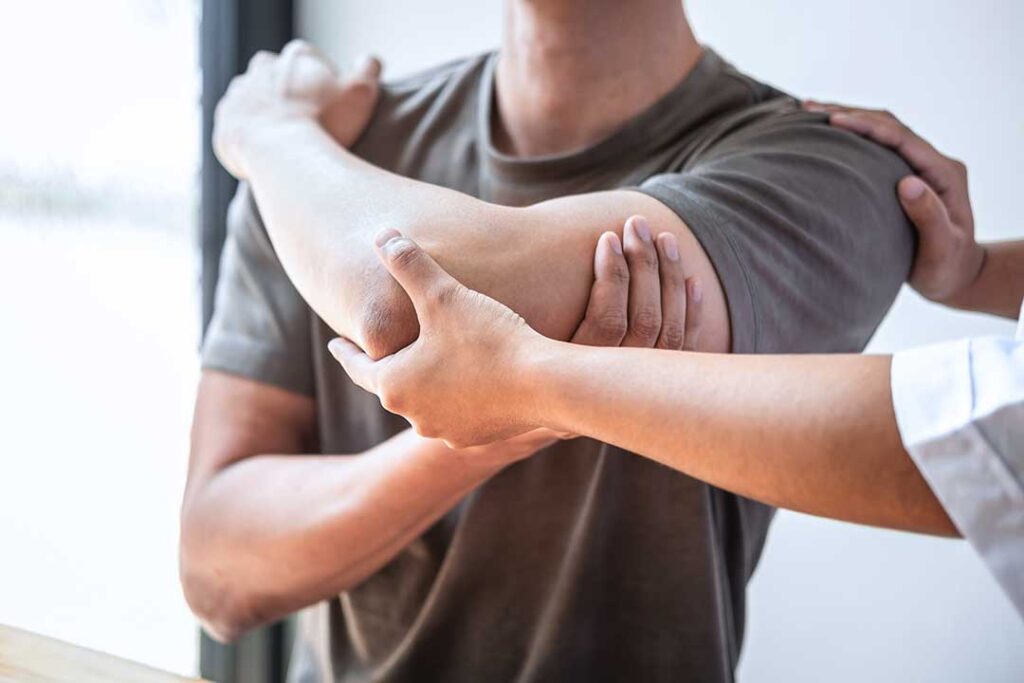
Sports injuries range from mild muscle strains to ligament tears, joint dislocations, and fractures. Chiropractic care may help some musculoskeletal injuries by reducing pain, improving movement, and supporting a gradual return to activity, but it is not appropriate for every injury and should not replace urgent medical evaluation when serious damage is possible.
What types of sports injuries may respond to chiropractic care?
Chiropractic care is generally most relevant to injuries involving muscles, joints, connective tissues, and movement patterns. Examples include:
- Mild to moderate back or neck pain after lifting, running, contact, or awkward movement
- Some uncomplicated ankle sprains
- Muscle strains involving the hamstrings, calves, hips, or lower back
- Overuse-related discomfort in the shoulder, knee, hip, or spine
- Joint stiffness that develops after an injury or period of reduced activity
- Movement problems that contribute to recurring pain
The goal is not simply to “put something back in place.” A careful evaluation looks at how the injured area moves, how nearby joints and muscles are functioning, and whether weakness, limited mobility, or poor coordination may be adding stress to the injured tissue.
How can chiropractic treatment support recovery?
Chiropractic care may support sports-injury recovery through several related approaches. The specific plan depends on the injury, symptoms, athletic demands, and findings from an examination.
Joint mobilization or manipulation
Restricted movement in the spine or an extremity can affect how a person walks, runs, lifts, throws, or changes direction. Manual techniques may temporarily improve joint motion and reduce discomfort in appropriate cases.
Manipulation is not automatically suitable for everyone. It may be avoided or modified when there is a suspected fracture, significant instability, severe inflammation, neurological involvement, or another condition requiring different care.
Soft-tissue techniques
Hands-on work directed at muscles, tendons, or surrounding soft tissues may reduce short-term stiffness or tenderness. This can make it easier to perform active rehabilitation, although soft-tissue treatment alone does not rebuild strength or repair a torn ligament.
Therapeutic exercise
Exercise is usually a central part of meaningful sports-injury rehabilitation. Depending on the condition, exercises may focus on:
- Restoring range of motion
- Improving balance and coordination
- Building strength around an injured joint
- Training the trunk, hips, or shoulders to share physical loads
- Gradually preparing the body for running, jumping, lifting, or sport-specific movement
A passive treatment may make movement feel easier, but long-term improvement generally depends on restoring capacity. That means the injured area must gradually tolerate more work without a damaging increase in pain or swelling.
Activity modification
Recovery often requires changing training volume, intensity, technique, or frequency for a period of time. Complete rest is not always necessary, but continuing the same activity at the same intensity can prolong symptoms.
A practical plan may include temporarily replacing sprinting with walking, reducing overhead work, avoiding sharp cutting movements, or spacing out high-impact sessions. Progression should be based on function rather than on a calendar alone.
Can chiropractic care speed up a return to sports?
It may help some people return to activity more comfortably, but no treatment can guarantee a faster recovery. The timeline depends on the type and severity of injury, sleep, nutrition, training demands, previous injuries, and whether rehabilitation is followed consistently.
A safe return usually occurs in stages:
1. Daily activities become more comfortable.
2. Basic movements can be performed without significant compensation.
3. Strength and balance approach the level needed for the activity.
4. Practice resumes at reduced intensity.
5. Speed, resistance, duration, and contact are increased gradually.
Pain relief is useful, but it is not the same as tissue recovery. Medication or manual treatment can sometimes reduce symptoms before an injury has regained full strength. Returning solely because pain has temporarily decreased may increase the risk of reinjury.
Does chiropractic care improve athletic performance?
Claims that spinal manipulation automatically improves speed, power, flexibility, or sports performance are not strongly established. Some athletes report feeling looser or moving more comfortably after treatment, but that experience does not prove a measurable performance benefit.
For a healthy athlete without pain or movement limitations, regular strength training, technical coaching, adequate recovery, conditioning, and sport-specific practice have clearer roles in performance. Chiropractic care is better understood as one possible component of musculoskeletal care rather than a performance-enhancement shortcut.
When should an athlete seek urgent evaluation instead?
Some sports injuries need prompt medical assessment or imaging rather than routine manual care. Warning signs include:

- Inability to bear weight or use the injured limb
- Obvious deformity or a joint that appears out of position
- Severe swelling, rapidly increasing bruising, or intense pain
- Numbness, weakness, loss of coordination, or changes in bladder or bowel control
- A head injury followed by confusion, repeated vomiting, worsening headache, fainting, or unusual drowsiness
- Neck or back trauma with neurological symptoms
- A suspected fracture, tendon rupture, or major ligament tear
- Chest pain, severe shortness of breath, collapse, or an irregular heartbeat during exercise
An athlete should also be evaluated for exertional heat illness after activity in extreme heat, especially if there is confusion, loss of consciousness, seizure, or inability to cool down. Mesa’s hot, dry conditions can increase heat stress during outdoor training, and symptoms should not be dismissed as ordinary fatigue.
What should an evaluation include?
A useful evaluation should begin with the injury story: what happened, when symptoms began, whether swelling appeared, and which movements make the problem better or worse. It should also consider previous injuries, current training, footwear or equipment, work demands, and medical conditions.
The examination may assess:
- Walking, balance, posture, and movement quality
- Joint range of motion
- Muscle strength and endurance
- Reflexes and sensation when appropriate
- Swelling, tenderness, and signs of instability
- Whether symptoms suggest a local injury or a problem referred from another area
If the findings suggest a fracture, major tear, dislocation, infection, or neurological problem, referral for medical evaluation and possible imaging is more appropriate than continued manipulation.
How can local athletes reduce the chance of reinjury?
Prevention is not limited to stretching. Helpful habits include warming up with movements that resemble the planned activity, increasing training loads gradually, maintaining strength during the off-season, and allowing recovery between demanding sessions.
Outdoor athletes should also account for heat. Earlier training times, scheduled water breaks, breathable clothing, shade, and acclimatization can reduce heat-related risk. Hydration needs vary with body size, sweat rate, activity duration, and environmental conditions; drinking only after intense symptoms appear may be too late.
The most reliable return-to-sport plan combines symptom monitoring with progressive loading. Mild soreness that resolves quickly may be acceptable, while increasing pain, swelling, limping, reduced strength, or loss of function signals that the activity level may be too high.