

 See My Latest Article on HelloNation

Why Do Residents Consider Alternatives to Surgery?
Surgery for back, neck, or joint pain is a major decision, and many in Mesa, AZ seek less invasive options first. Residents often look for approaches that carry fewer risks, require less downtime, and allow for ongoing daily activities—especially given the active lifestyle and desert climate where outdoor mobility is valued much of the year.
Many conditions leading people to consider back or joint surgery can be managed with non-surgical care, at least initially. This can be particularly appealing for those with responsibilities at home or outdoors, or those wanting to minimize the impact on work and family life.
What Conditions Can Chiropractic Methods Address Without Surgery?
Chiropractic care is commonly sought as an alternative for issues such as:
- Chronic lower back pain
- Sciatica and pinched nerves
- Neck stiffness and headaches
- Disc problems (such as bulges or herniations)
- Joint pain in shoulders, knees, or hips
- Scoliosis-related discomfort
- Muscle tension or spasm not related to acute injury
These methods are often explored before considering surgery or even as a way to delay or avoid surgical interventions when appropriate.
How Does Chiropractic Care Work as a Non-Surgical Alternative?
Chiropractic methods focus on restoring movement, reducing inflammation, and supporting the body’s own healing. This is done through:
- Manual adjustments to improve spine and joint mobility
- Therapeutic exercises targeting weak or imbalanced muscles
- Soft tissue therapies such as stretching or trigger point techniques
Rather than just treating symptoms, chiropractic care may address underlying causes of pain like joint misalignment, postural imbalances, or muscle weakness. These techniques are often tailored to each person, taking into account health history, daily activities, and the season—for example, adjusting recommendations for those spending more time active outdoors during milder months.
When Is Chiropractic Not a Suitable Alternative to Surgery?
Chiropractic care is not appropriate for all situations. Conditions that generally require immediate surgical attention include:
- Severe fractures or structural instability
- Progressive neurological loss (such as loss of bowel/bladder control or severe weakness)
- Certain infections or tumors
If a resident’s symptoms are worsening rapidly or involve emergency signs, prompt medical evaluation is required.
What Can Local Residents Expect from Non-Surgical Care?
Recovery plans are usually a process rather than a quick fix. Residents trying non-surgical routes like chiropractic often report:
- Gradual improvement in pain and flexibility
- Tools for self-care, such as exercises or home ergonomics adaptations
- Ongoing guidance for safe physical activity
Because the area experiences temperature extremes, staying active indoors may be recommended on particularly hot or cold days to keep up with prescribed exercises.
What Questions Should Residents Ask About Chiropractic Alternatives?
Before committing to a non-surgical path, it’s practical to ask:
- Is my condition likely to improve without surgery?
- What’s the expected timeline for feeling better?
- Are there risks if I delay surgery?
- Will I need other types of care—such as physical therapy or medical imaging?
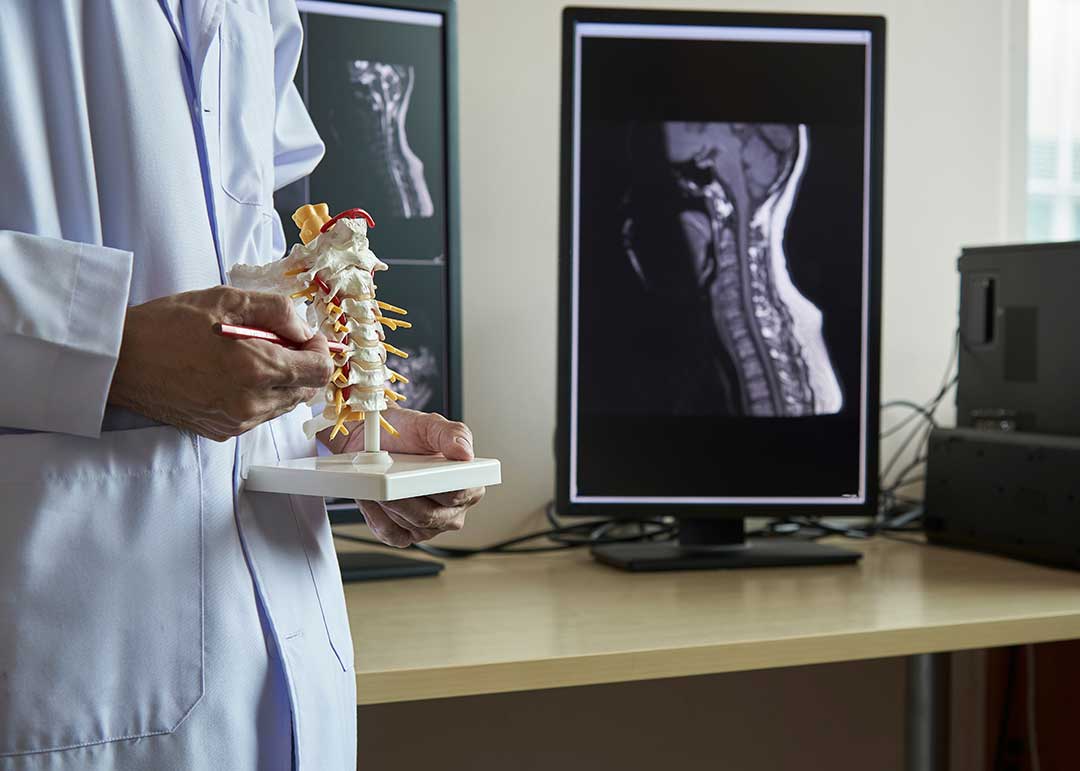
These questions help individuals stay informed and ensure the treatment plan aligns with their health goals and daily responsibilities.
Can Chiropractic Care Be Combined with Other Approaches?
Many people benefit from combining chiropractic methods with other therapies, such as:
- Physical therapy for strength and stability
- Pain education and mindfulness-based strategies
- Temporary medication for symptom control (under medical advice)
- Adapting home or work setups for better posture
Mesa residents often find that a multi-pronged approach supports not just pain relief but also long-term function—especially during times when they need to care for gardens, children, or outdoor responsibilities linked to the local climate and lifestyle.
Are There Misconceptions About Chiropractic as a Surgery Alternative?
One common misconception is that chiropractic care is only “spinal cracking.” In reality, many techniques are gentle and focus on soft tissue, joint mobility, and lifestyle education. It’s also a myth that chiropractic is needed forever; care is usually adjusted over time according to progress and goals.
Another misunderstanding is that surgery is always required for conditions like a herniated disc or sciatica. Numerous studies suggest conservative approaches help a majority of people improve without surgery.
What Practical Steps Help Area Households Decide?
Local residents deciding between surgery and alternatives should:
- Review all imaging and test results with their care team
- Consider second opinions on both surgical and non-surgical options
- Balance recovery timeframes with family, work, and seasonal routines
- Track changes in pain, function, and activity levels with any treatment
Careful record-keeping and open discussions with trusted healthcare providers help area households make informed choices that fit their needs, resources, and lifestyle.