

 See My Latest Article on HelloNation
What Is a Herniated Disc?
A herniated disc occurs when a spinal disc, which normally acts as a cushion between the bones of the spine, is damaged and the softer inner core pushes out through a tear in the tougher outer layer. This condition can cause pain, numbness, or weakness if the herniation compresses nearby nerves. In communities like Mesa, AZ, where active lifestyles and repetitive movements are common due to outdoor work and recreation, disc injuries are not uncommon, especially as people age or experience wear and tear.
Why Do Herniated Discs Happen?
Herniated discs often result from gradual aging and spinal deterioration, known as disc degeneration. Over time, the discs lose water content, making them less flexible and more prone to tearing. They can also be triggered by:
- Repetitive lifting, bending, or twisting—common in many local sectors like construction or landscaping
- Sudden heavy lifting with poor technique
- Traumatic incidents, such as falls
- Prolonged sitting or poor posture—something households may encounter with more remote work or time spent driving
Actual symptoms depend on the location and severity of the herniation, and some individuals in the city may experience little or no pain.
What Are the Typical Symptoms?
A herniated disc can cause a variety of symptoms. These most often include:
- Sharp or burning pain in the back, neck, or limbs
- Numbness or tingling sensation, often radiating to arms or legs
- Muscle weakness in the affected area
- Difficulty moving, bending, or walking
The pain frequently worsens with certain movements, such as sitting for long periods or lifting. Mesa residents may notice discomfort after household chores, gardening, or hiking. Not all symptoms are severe; in some cases, people simply experience intermittent mild discomfort or pins-and-needles sensations.
How Does Chiropractic Care Approach Herniated Discs?
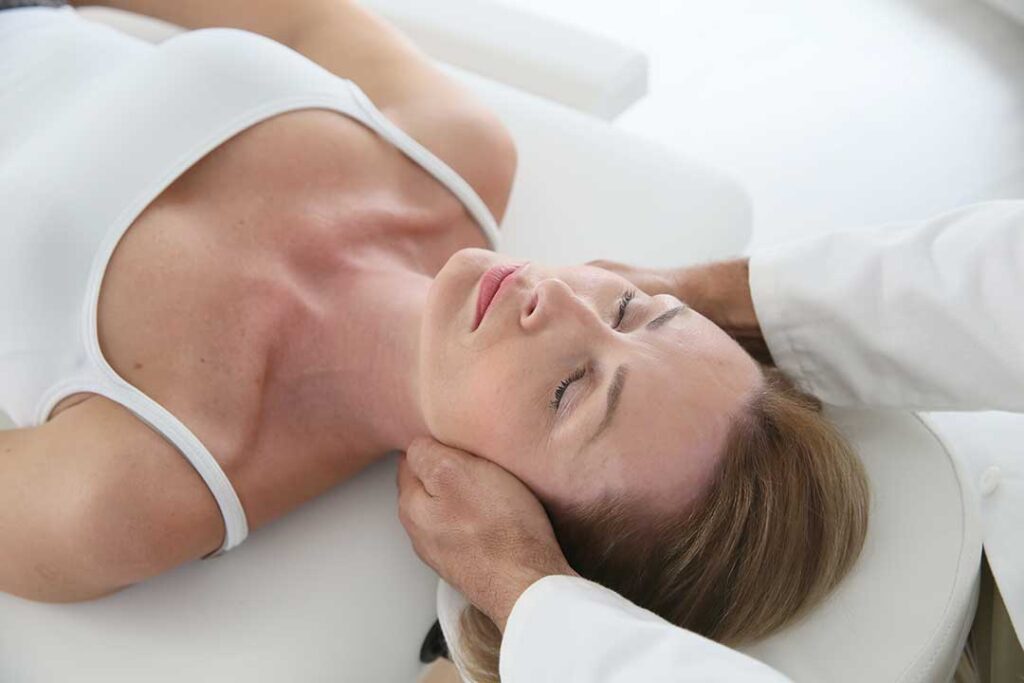
Chiropractic care is a non-surgical approach that assesses the musculoskeletal system, with a focus on the spine. Chiropractors use hands-on techniques to help improve mobility, relieve pain, and support function, while also educating individuals about posture and lifestyle habits.
When caring for a herniated disc, the chiropractor may:
- Review medical history and symptoms
- Perform a thorough physical examination
- Use non-invasive spinal adjustments or gentle mobilization to relieve pressure
- Suggest stretching and strengthening exercises tailored to the individual's lifestyle and limitations
- Provide ergonomic advice, particularly helpful for those working from home or in physically demanding local occupations
Chiropractic management usually avoids forceful manipulations in cases where the disc injury is acute or if certain neurological symptoms are present.
What Does a Typical Recovery Process Look Like?
Recovery from a herniated disc varies based on the severity of the injury and each person's health status. In many cases, individuals in the community experience improvement within a few weeks with conservative care, such as chiropractic approaches, exercise guidance, and modification of daily activities.
Self-care often includes:
- Rest and gradual return to normal movement
- Ice or heat application for temporary pain relief
- Improving posture and ergonomics—especially important when living or working in Mesa’s desert climate, where hydration and activity patterns can affect recovery
- Gentle stretching or mobility routines that fit the area’s outdoor lifestyle

If symptoms do not improve or worsen—such as increasing weakness, loss of bladder/bowel control, or significant pain—immediate further medical assessment is needed.
What Are Common Misconceptions About Herniated Discs and Chiropractic Care?
Several myths complicate the public understanding of these conditions:
- Not all back pain signals a herniated disc; muscle strain and other issues are more common
- Surgery is not always necessary; most residents find relief with conservative care, including chiropractic methods and physical activity modifications
- Spinal adjustments are not always forceful—gentle, low-risk techniques exist specifically for delicate conditions like disc herniation
Individuals often worry that lifting away from traditional “rest and wait” advice will worsen their condition, but safe movement and guided therapeutic exercise are typically encouraged as part of modern recovery plans in the city.
How Can Residents Prevent a Herniated Disc?
Prevention is possible by maintaining spinal health and minimizing risk factors:
- Use proper lifting techniques during home projects or recreation
- Pay attention to posture, especially during long hours at a desk or on the road
- Stay hydrated, as the region’s hot weather can accelerate disc dehydration
- Stay active with exercises that focus on flexibility and core strength—taking advantage of local parks and walking paths
Periodic movement, regular breaks, and supportive chairs can make a significant difference in daily comfort and spinal health.
When Is Medical Evaluation Necessary?
Most mild symptoms improve over time with self-care and conservative management. However, local residents should seek timely medical evaluation if they experience:
- Loss of bladder or bowel control
- Persistent or worsening numbness or weakness
- Pain that disrupts daily activities despite appropriate care
These signs may indicate nerve involvement requiring medical or surgical intervention.