

 See My Latest Article on HelloNation
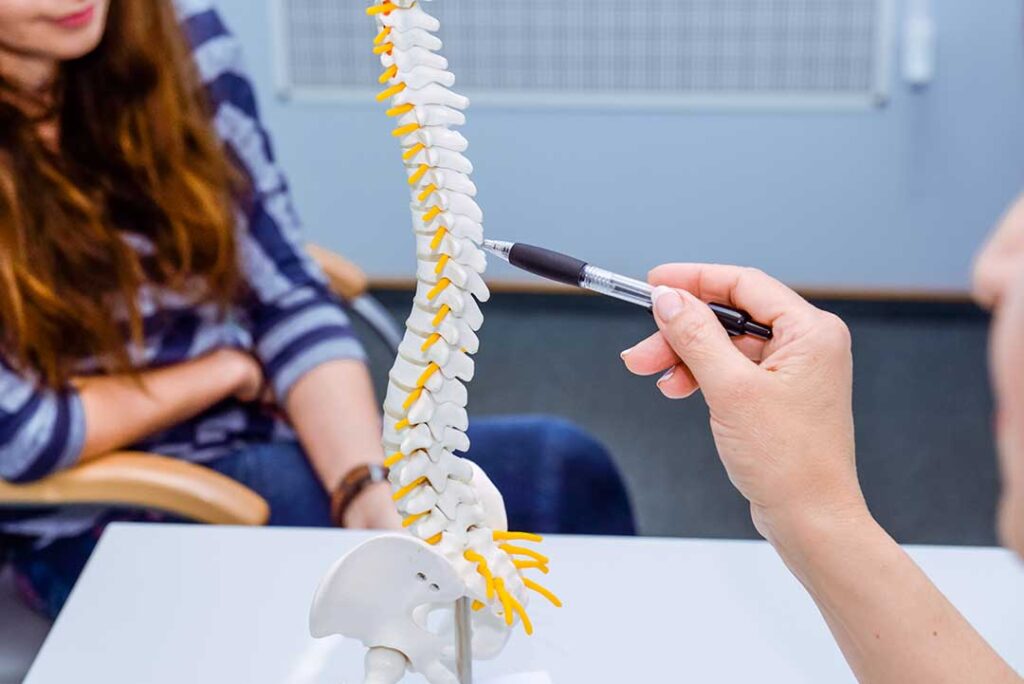
Pregnancy can change posture, balance, joint movement, and the way back and pelvic pain are felt. For many people, a carefully modified chiropractic adjustment may be appropriate during pregnancy, but it is not automatically safe for every pregnancy or every symptom.
The safest approach is individualized screening, communication with the pregnancy care team, and treatment from a licensed chiropractor who understands pregnancy-related changes.
Is it generally safe to get adjusted while pregnant?
For many pregnant people, gentle chiropractic care can be used to help manage musculoskeletal discomfort, including low-back, hip, pelvic, and upper-back pain. Cleveland Clinic includes pregnancy-related back pain among conditions for which a chiropractor with pregnancy experience may be helpful. ([my.clevelandclinic.org](https://my.clevelandclinic.org/health/symptoms/back-pain-during-pregnancy?utm_source=openai))
A pregnancy adjustment should not be the same as a routine adjustment performed on a nonpregnant patient. Positioning, pressure, technique, and the area being treated may need to change as pregnancy progresses.
Safety depends on factors such as:
- The stage of pregnancy
- Whether the pregnancy is considered low-risk or high-risk
- The location and cause of pain
- Medical conditions, injuries, or complications
- Medications and other treatments
- The clinician’s training and experience with pregnant patients
Research on spinal manipulation during pregnancy is still limited. A systematic review found that available studies do not provide a complete picture of safety, even though serious adverse events appear uncommon in the published literature. That uncertainty is one reason individualized screening matters. ([chiropractic.ca](https://chiropractic.ca/wp-content/uploads/2021/05/120503-1_Chiro_65_1d_Weis.pdf?utm_source=openai))
How is an adjustment modified during pregnancy?
Pregnancy changes the abdomen, spinal curve, pelvic joints, ligaments, and center of gravity. A trained provider may use a side-lying position, supportive cushions, a pregnancy-adapted table, gentle manual techniques, or non-thrust approaches.
The abdomen should not be compressed. Treatment should also avoid positions that cause dizziness, shortness of breath, nausea, pain, or a feeling of pressure. Lying flat on the back for extended periods may become uncomfortable later in pregnancy, so positioning should be adjusted as needed.
An appointment should begin with a health history and discussion of:
- Weeks of pregnancy
- Previous pregnancies and complications
- Current symptoms
- Recent falls, collisions, or other injuries
- Vaginal bleeding, contractions, fluid leakage, or decreased fetal movement
- High blood pressure, clotting concerns, or other medical conditions
The adjustment itself should feel controlled and comfortable. Pain during or after treatment is not a sign that the technique is working.
What symptoms might chiropractic care help?
The most reasonable goal is relief of pregnancy-related muscle and joint discomfort, not treatment of the pregnancy itself. Possible concerns include:
- Low-back pain
- Pelvic or sacroiliac-area discomfort
- Hip pain
- Muscle tightness related to posture
- Rib or mid-back discomfort
- Some movement-related neck or shoulder symptoms
Pelvic girdle pain and pubic joint discomfort can make walking, turning in bed, getting out of a vehicle, or climbing stairs difficult. Conservative options may include movement instruction, supportive exercises, physical therapy, massage, or carefully selected chiropractic care. Cleveland Clinic also recommends discussing persistent pregnancy-related pain with the pregnancy care provider. ([my.clevelandclinic.org](https://my.clevelandclinic.org/health/symptoms/back-pain-during-pregnancy?utm_source=openai))
Evidence does not support promising that an adjustment will prevent a cesarean birth, shorten labor, turn a breech baby, or guarantee a particular delivery outcome. Claims about improving fetal position should be treated cautiously. Chiropractic care may address a person’s comfort and mobility, but it does not replace obstetric evaluation.
When should someone avoid an adjustment or obtain medical clearance first?
A chiropractor should know about any pregnancy complication before treatment begins. Depending on the situation, an adjustment may need to be postponed, modified, or cleared by the pregnancy care provider.
Extra caution is appropriate with:

- Vaginal bleeding
- Placental problems
- Preterm labor or regular contractions
- Ruptured membranes or fluid leakage
- Severe or unexplained abdominal pain
- Pregnancy-related high blood pressure or preeclampsia
- Significant trauma
- Known blood-clotting problems
- Severe osteoporosis or a history of spinal fracture
- Neurologic symptoms such as progressive weakness or loss of bladder or bowel control
- A high-risk pregnancy requiring specialized monitoring
These concerns do not necessarily mean chiropractic care is impossible. They mean the symptom may require medical assessment before musculoskeletal treatment.
Seek urgent medical care for heavy bleeding, severe abdominal pain, fainting, chest pain, trouble breathing, a severe headache with vision changes, sudden swelling, fluid leakage, regular painful contractions before the expected time, or noticeably reduced fetal movement.
Does the trimester change the answer?
Yes. Technique and positioning often change throughout pregnancy.
During the first trimester, the abdomen may not yet be large, but symptoms such as nausea, fatigue, and dizziness can affect tolerance for treatment. In the second trimester, posture and joint loading commonly change as the uterus grows. During the third trimester, additional support and side-lying positions may be more comfortable, and pelvic or rib discomfort may become more noticeable.
There is no universal week of pregnancy at which all adjustments become unsafe. The relevant question is whether the proposed technique fits the person’s current health status and symptoms.
Should the pregnancy care provider be told?
Yes. Sharing information between providers is especially useful when pain is new, severe, persistent, or associated with other symptoms. A pregnancy care provider can help determine whether the discomfort appears musculoskeletal or needs evaluation for another cause.
The decision should also be voluntary. A pregnant patient has the right to ask questions, decline treatment, or choose alternatives after receiving clear information about potential benefits, risks, and uncertainties. ACOG emphasizes informed decision-making and respect for a pregnant patient’s treatment choices. ([acog.org](https://www.acog.org/clinical/clinical-guidance/committee-opinion/articles/2016/06/refusal-of-medically-recommended-treatment-during-pregnancy?utm_source=openai))
What should Mesa residents consider locally?
Heat, long periods of driving, walking on hard surfaces, and seasonal changes in daily activity can make back and pelvic discomfort more noticeable. During the hottest parts of the year, dehydration and overheating can also contribute to fatigue, dizziness, or muscle cramping. Hydration, shade, supportive footwear, and breaks from prolonged standing or sitting may complement any pregnancy-safe treatment plan.
Home measures may include side-lying sleep with a pillow between the knees, gentle movement approved by the pregnancy care provider, avoiding heavy lifting, and changing positions regularly. Persistent or worsening pain deserves assessment rather than repeated self-treatment.
The practical answer is that a pregnancy adjustment can be safe for some people when it is appropriately modified and medically suitable. It should be viewed as one possible option for musculoskeletal symptoms—not as a substitute for prenatal care, emergency evaluation, or treatment of pregnancy complications.